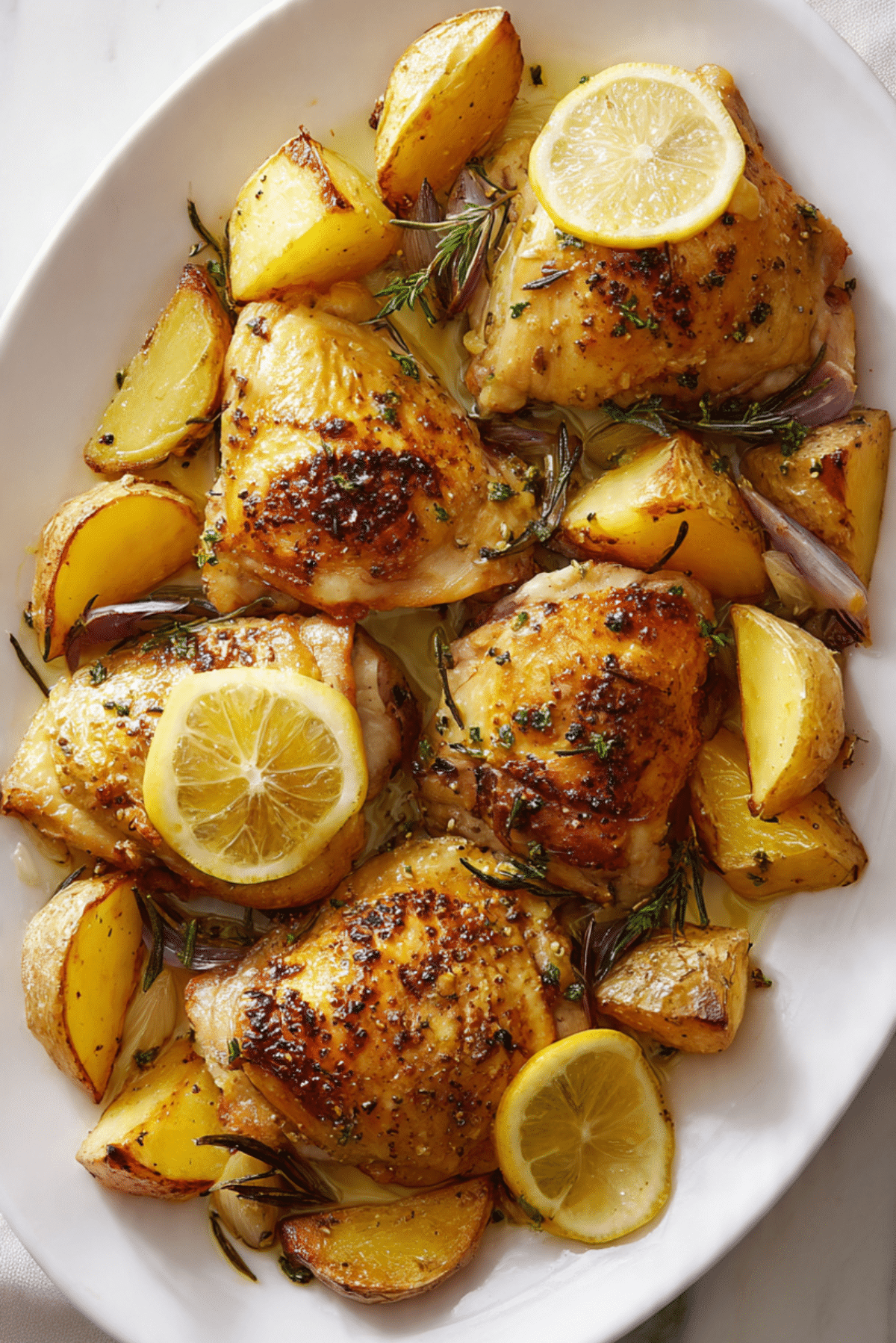
There are some dishes that transcend mere sustenance, becoming a true embrace of comfort, a nostalgic whisper of home-cooked goodness. Classic Greek Lemon Chicken and Potatoes is unequivocally one of them. This iconic dish, with its aromatic blend of lemon, oregano, and garlic, delivers a culinary experience that is both profoundly satisfying and deceptively simple. Imagine succulent, crispy-skinned chicken, infused with vibrant Mediterranean flavors, nestled amongst tender, melt-in-your-mouth potatoes – all cooked together in a single pan. It's a symphony of textures and tastes, a staple in Greek households, and a guaranteed crowd-pleaser that evokes the warmth of a sun-drenched Greek kitchen.
The Heart of Greek Comfort Food: Why This Dish Sings
The allure of Greek chicken and potatoes lies in its ingenious simplicity and the profound depth of flavor achieved with minimal fuss. This isn't just a meal; it's a culinary philosophy rooted in wholesome ingredients and time-honored techniques. At its core, it's a one-pan wonder, designed to maximize flavor while minimizing cleanup – a dream for busy weeknights and entertaining alike.
What makes this dish so special? It's the magical synergy that happens in the oven. As the chicken roasts, its savory juices render and drip down, basting the potatoes below. This infuses them with an unparalleled richness and complexity, transforming ordinary spuds into golden, savory treasures. The lemon zest and juice permeate every component, brightening the earthy oregano and pungent garlic, creating a harmonious balance that is distinctly Greek. The result is a dish where the chicken emerges with a beautifully crisp, golden skin and tender, juicy meat, while the potatoes become irresistibly soft and flavorful, almost stewed in the delicious pan drippings.
This crispy Greek lemon chicken with melt-in-your-mouth potatoes is more than just dinner; it's an invitation to gather. Whether served on a grand platter for Easter festivities, a holiday gathering, or simply as a comforting weekday lunch, its rustic charm and incredible aroma make it an instant centerpiece. It carries the essence of a traditional Greek home, where simple, high-quality ingredients are transformed into something truly spectacular through patient, loving preparation.
Crafting Culinary Magic: Key Ingredients and Their Role
The beauty of classic Greek chicken and potatoes lies in its reliance on a few potent, high-quality ingredients. Each component plays a crucial role in building the dish's iconic flavor profile.
- Chicken Pieces: For the most authentic and flavorful experience, bone-in, skin-on chicken is highly recommended. A whole chicken, broken down into 10 pieces (including breasts, thighs, and drumsticks), offers a variety of textures and ensures all parts of the bird contribute to the rich drippings. If breaking down a whole chicken feels daunting, bone-in chicken thighs or drumsticks are excellent alternatives, known for their juiciness and flavor. Aim for approximately 3-3.5 pounds of chicken. Patting the chicken pieces thoroughly dry before marinating and browning is a crucial step for achieving that coveted crispy skin.
- Potatoes: The choice of potato significantly impacts the final texture. Yukon Gold or "butter potatoes" are often preferred for their creamy, tender interior when roasted, absorbing the pan juices beautifully. Russet potatoes can also work, though they tend to be starchier and might result in a slightly drier texture. Cut your potatoes into generous wedges or large chunks to prevent them from becoming mushy and ensure they cook evenly alongside the chicken.
- Lemon Juice: Freshly squeezed lemon juice is non-negotiable. Its bright acidity cuts through the richness of the chicken and olive oil, adding a characteristic tang. It’s used both in the marinade to tenderize the chicken and as a vital component of the flavorful "simmer sauce" for the potatoes, ensuring they are infused with zesty goodness. While lemon slices can be added for visual appeal, relying primarily on juice provides a more consistent flavor throughout.
- Garlic: Generous amounts of fresh garlic are essential. Minced garlic cloves are divided between the chicken marinade and the potatoes, ensuring every bite is infused with its pungent, aromatic notes. For an even deeper flavor, consider adding a few whole, peeled garlic cloves among the potatoes; they'll roast into sweet, buttery morsels.
- Oregano: This is the soul of Greek cuisine. Opt for high-quality Mediterranean or Greek oregano for its distinct earthy, slightly peppery aroma. While fresh oregano is wonderful if you have it (roughly 2 tablespoons), dried oregano is perfectly acceptable and often more accessible. Remember the rule of thumb: use half the quantity of dried herbs compared to fresh (e.g., 1 tablespoon dried for 2 tablespoons fresh).
- Olive Oil: Extra virgin olive oil is not just a cooking fat here; it's a flavor enhancer. This recipe calls for a more substantial amount than typical, as it acts as both a marinade base for the chicken and the primary fat for roasting the potatoes, contributing to their golden crispness and rich flavor. Using a good quality, robust olive oil will truly elevate the dish.
- Red Pepper Flakes: A small pinch of red pepper flakes adds a subtle warmth and a whisper of heat, complementing the other robust flavors without overpowering them. Adjust to your personal preference for spice.
Optional Flavor Boosters:
While the classic version is perfect as is, a handful of crumbled feta cheese sprinkled over the hot dish straight from the oven adds a delightful salty, tangy creaminess. Serving alongside a fresh, colorful Greek salad or some simply roasted vegetables (like bell peppers or zucchini) turns it into a complete and vibrant meal. For extra brininess and color, consider tossing in some Kalamata olives during the last 30 minutes of baking.
The Art of Preparation: From Pan to Perfection
Achieving the perfect Classic Greek Lemon Chicken and Potatoes is a journey of simple steps that build layers of flavor and texture. The goal is fall-off-the-bone tender chicken with crispy skin, and potatoes that are infused with every delicious drop of juice.
- Marinate for Maximum Flavor: Begin by creating a vibrant marinade. Whisk together a generous amount of fresh lemon juice, olive oil, minced garlic, oregano, and a pinch of red pepper flakes, salt, and pepper. Toss your chicken pieces thoroughly in this mixture. While even 30 minutes will impart some flavor, allowing the chicken to marinate for 2-4 hours, or even overnight in the refrigerator, will yield a more deeply flavored and tender result.
- The Critical Browning Step: This step is often overlooked but is crucial for developing rich flavor and achieving that desirable crispy chicken skin. In an oven-safe skillet or roasting pan, brown the chicken pieces in a bit of olive oil over medium-high heat until they are golden and crispy on all sides. This locks in juices and creates a beautiful exterior. Browning in the same pan you'll use for baking minimizes dishwashing – a true one-pan advantage!
- Layering for Success: Once the chicken is browned, remove it from the pan and set aside. Add your potato wedges or chunks to the same pan, tossing them in the chicken drippings, remaining garlic, oregano, and a splash more lemon juice and chicken broth (or water). This liquid will create a steamy environment for the potatoes and develop into a flavorful sauce. Arrange the potatoes in an even layer.
- The Roasting Process: Nest the browned chicken pieces on top of and around the potatoes. The chicken will continue to cook and release its juices, which will drip down and further flavor the potatoes. Roast in a preheated oven, typically around 375-400°F (190-200°C). The total baking time will vary depending on the size of your chicken pieces and oven, but expect around 50-70 minutes. For truly fall-off-the-bone tenderness, some recipes recommend a slightly lower temperature (around 350°F / 175°C) for a longer duration, especially if using a whole broken-down chicken.
- Achieving Perfection: Halfway through cooking, give the potatoes a stir and flip the chicken pieces to ensure even browning and absorption of flavors. If the potatoes appear to be drying out, add a little more chicken broth or water. The chicken is done when its internal temperature reaches 165°F (74°C) at its thickest part. For extra crispiness in the final 10-15 minutes, you can increase the oven temperature slightly or even briefly use the broiler, keeping a close eye to prevent burning. The potatoes should be fork-tender and slightly caramelized at the edges.
Practical Tips for a Flawless Meal:
- Don't Overcrowd the Pan: Give your chicken and potatoes space to breathe and roast properly. If your pan is too full, they will steam instead of roast, preventing crispiness. Use two pans if necessary.
- Temperature Control: If your chicken is browning too quickly, loosely tent the pan with foil. If your potatoes are not getting tender enough, ensure there's enough liquid in the pan for them to simmer slightly.
- Rest the Chicken: Once removed from the oven, let the chicken rest for 5-10 minutes before serving. This allows the juices to redistribute, resulting in more tender and flavorful meat.
- Serving Suggestions: A sprinkle of fresh parsley or dill adds a beautiful finishing touch. Serve this classic Greek dish with a simple green salad dressed with lemon-oregano vinaigrette, a dollop of creamy tzatziki, or some crusty bread to soak up all the incredible pan juices.
Classic Greek Lemon Chicken and Potatoes is more than just a recipe; it's an experience. It's a journey to the heart of Greek hospitality, a testament to how simple ingredients, handled with care, can create an unforgettable meal. This dish offers a true taste of home, inviting you to slow down, savor the moment, and enjoy the comforting flavors of the Mediterranean. Give it a try, and let this timeless classic become a beloved staple in your own kitchen.
